
Plots in Balearic Islands - buy, sell or rent easily

Find plots by category in Balearic Islands (Province)


Plots for sale with most wanted features
- Urban 12
- Developable 5
- Non developable 10


Latest publications of land and houses for sale in Balearic Islands (Province)
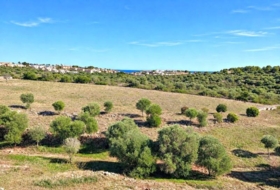
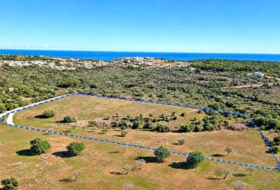
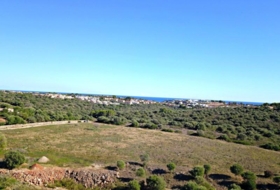
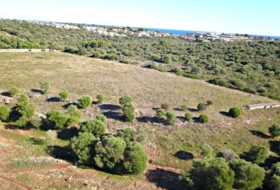
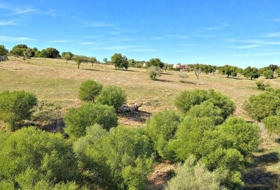
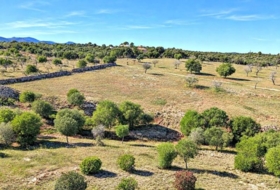


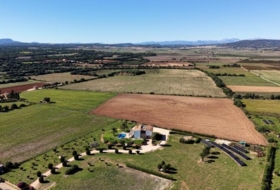
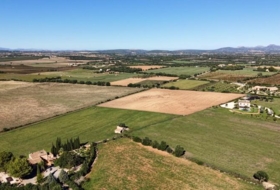
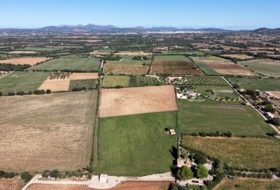
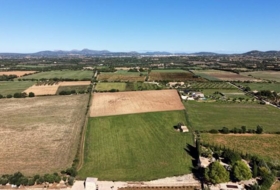
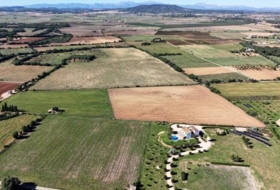
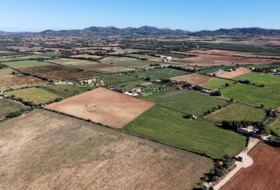





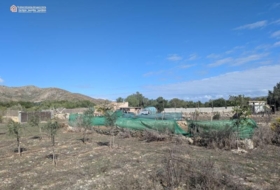
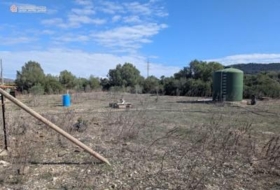
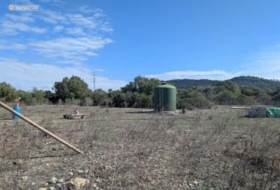
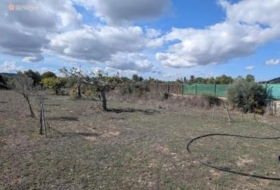
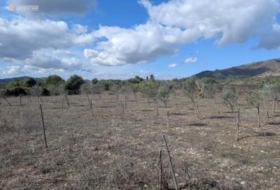
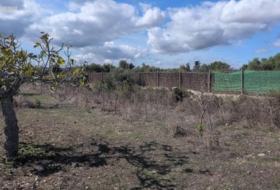
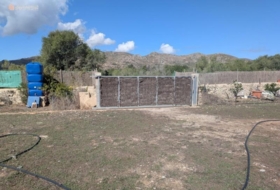
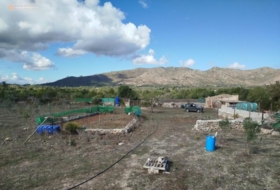
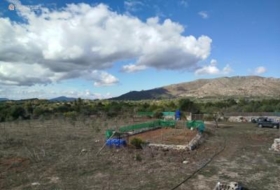


Where to buy land in the Balearic Islands
The cheapest land in the Balearic Islands is found in Santa Margarita, Ses Olleries, Ariany and Biniferrí. Even so, prices there reflect the development pressure on the rustic land in the area.
Much of the population is concentrated on coastal urban land, which is why the islands have some of the highest average prices for urban plots for sale in Spain. Building plots are in a similar situation, as they are concentrated in the same metropolitan areas. The most expensive plots for sale in the Balearic Islands are in Badia Blava, Binisalem, Inca, Palma de Mallorca, Porreras, Biniagual and Lluchmayor.
In short, the Balearic Islands continue their economic development seeking a balance between rural and urban growth. The key to success lies in fostering harmony between its most modern assets, such as tourism, and its natural farming environment, forged by centuries of tradition and history.
The Balearic Islands seek a balance between agriculture and tourism
The archipelago of the Balearic Islands is in the Mediterranean Sea, to the east of Spain. It is made up of the islands of Mallorca, Menorca, Ibiza, and Formentera. With a typical Mediterranean climate and more than 300 days of sunshine a year, it is a paradise torn between the protection of rustic land and urban expansion.
Since the 1960s, the islands have undergone major urban development driven by tourism, especially on the coast and in the largest towns, such as Palma, so there is demand for developable land on all of them. Vacant urban and developable land covers more than 3,000 hectares.
In recent decades, artificial surfaces have been increasing, while agricultural and forest areas have been in decline. For this reason, the islands are now committed to a sustainable urban model that protects rustic land in order to guarantee the territorial and ecological balance. Currently, about 80% of the surface is rustic land on the islands.
Betting on recovering the agricultural sector
Farmland covers around 48% of the islands, while more than 40% is forest.
The main agricultural activities are the meat, fruit and vegetable, forestry, wine and dairy industries. Of these industries, most are concentrated in the centre and north of Mallorca.
More than 50% of the primary sector is devoted to arable crops, mainly mixed cereals, barley and oats. Others that stand out are pastures and livestock, permanent crops, horticulture, and viticulture.
Organic farming is increasingly encouraged and already has more than 400 farms.
Livestock, despite having native species, is also in decline. Every year livestock numbers fall in cattle, sheep, pigs, horses, poultry (which has almost disappeared) and beekeeping.
The government of the islands promotes rural development through a specialised programme that helps and trains young people interested in farming, provides subsidies, supports sustainable agriculture and drives innovation in the livestock sector.


